B2B Activation from the First Order
Reorganizing Ticket Portal onboarding to make activation paths clearer and facilitate placing the first order.
In the Ticket Portal, the first order marks the activation of a new contract. Until reaching that point, clients may need to register employees, upload files, or configure products. This preparation involves different paths and returns to the portal that were not always clear in the user experience.
In partnership with the PO, I participated in discovery and led the design process to make these paths more visible and reduce friction up to the first order. I also built dashboards and performed data analysis. The proposal reorganized the home page to guide the client's operations, giving direct access to existing features and tracking behavior by profile and entry path.
Unclear Activation Paths
The funnel revealed drop-offs between contract signing and the first order. Dispersed actions and mandatory steps hindered progress across different activation paths.
Dispersed Actions
Employee registration, file uploads, and manual ordering required discovery in different areas of the portal.
Mandatory Step
Product configuration blocked manual order initiation, even when the client wanted to start directly with ordering.
Multi-stage Journey
Placing the first order could take around a month, involving operational prep and multiple portal sessions.
A Home Page That Guides Activation
We reorganized the home page to highlight contracted products and activation actions right at portal entry. The new module provided direct access to existing paths. For manual orders, initial product configuration was no longer a prerequisite.
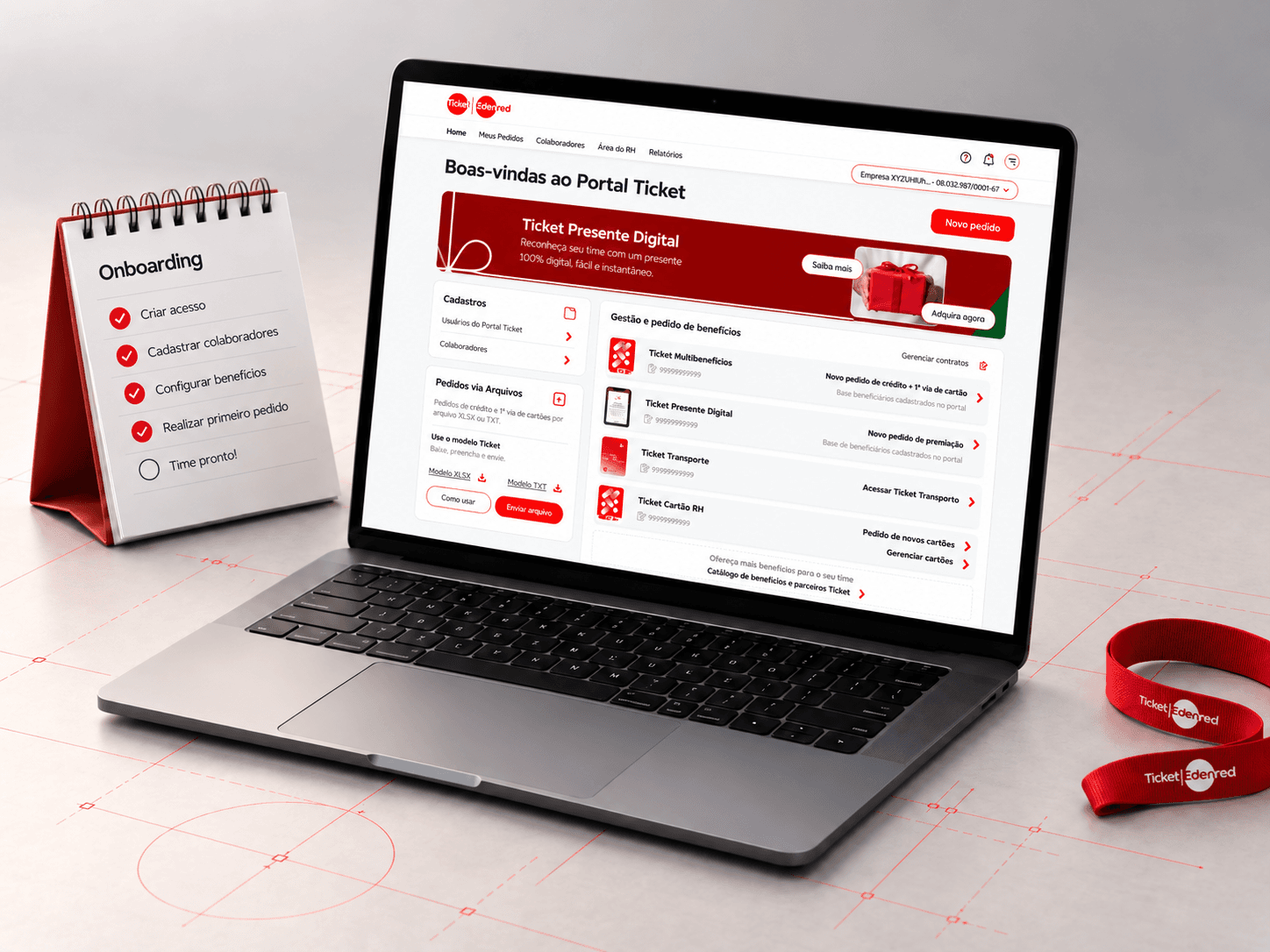
Project Guidelines
Product as Context
Use contracted products as the starting point to orient client actions.
Higher Visibility Actions
Bring employee registration, user management, and file uploads closer to portal entry.
Flexible Sequence
Allow manual order initiation without requiring upfront product setup.
Measurement by Path
Differentiate first-time access and recurring users to monitor conversion and completion time.
Design Process
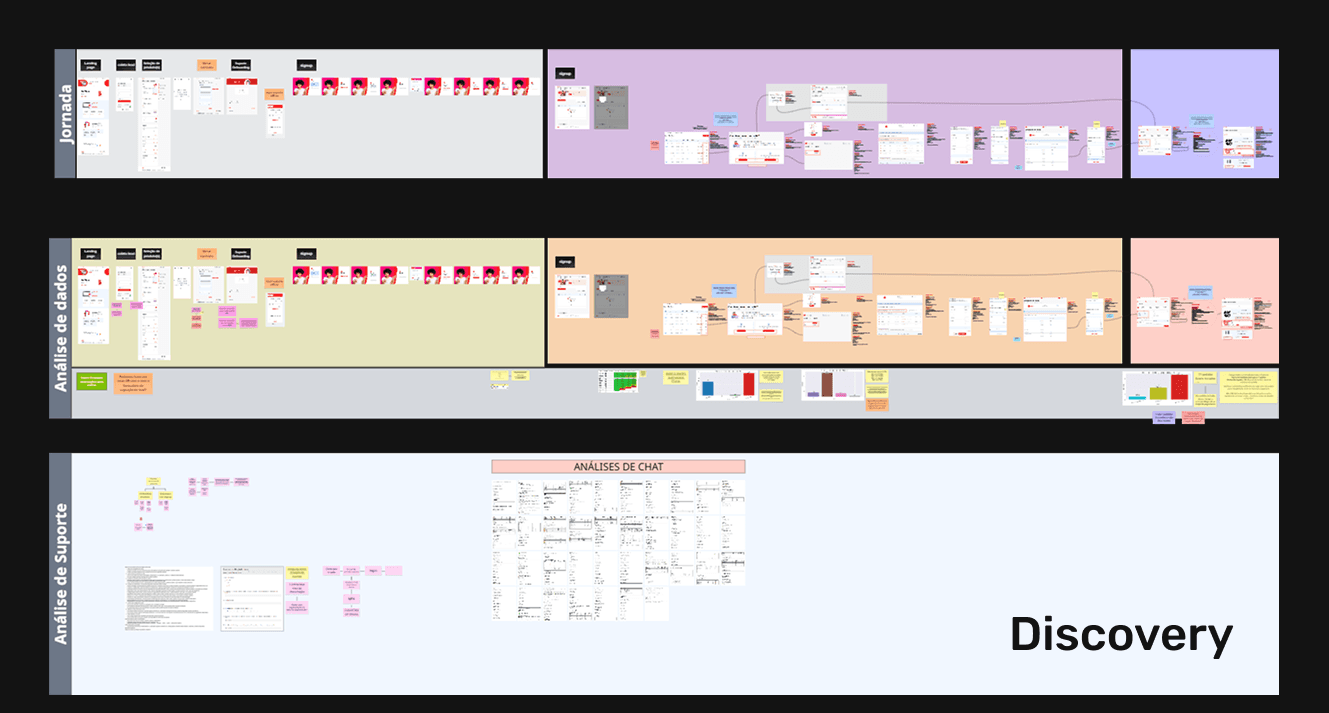
Activation Funnel Analysis
Participated in analyzing contract progression up to the first order, investigating where clients stopped advancing in activation.
Behavioral Investigation
In partnership with the PO, combined funnel data, CES, NPS, support logs, CX insights, and qualitative interviews to understand client friction points.
Onboarding Reframing
Evidence guided an experience clarifying different prep and ordering paths while respecting non-linear portal returns.
Architecture & Prototyping
Led the design of the new home page, connecting products and activation actions while removing mandatory setup for manual orders.
Client & Squad Validation
Tested the solution with five clients and validated alignment across squads responsible for involved features.
Production Monitoring
Analyzed conversion rates and completion times across profiles and entry paths, comparing the new module against legacy flows.
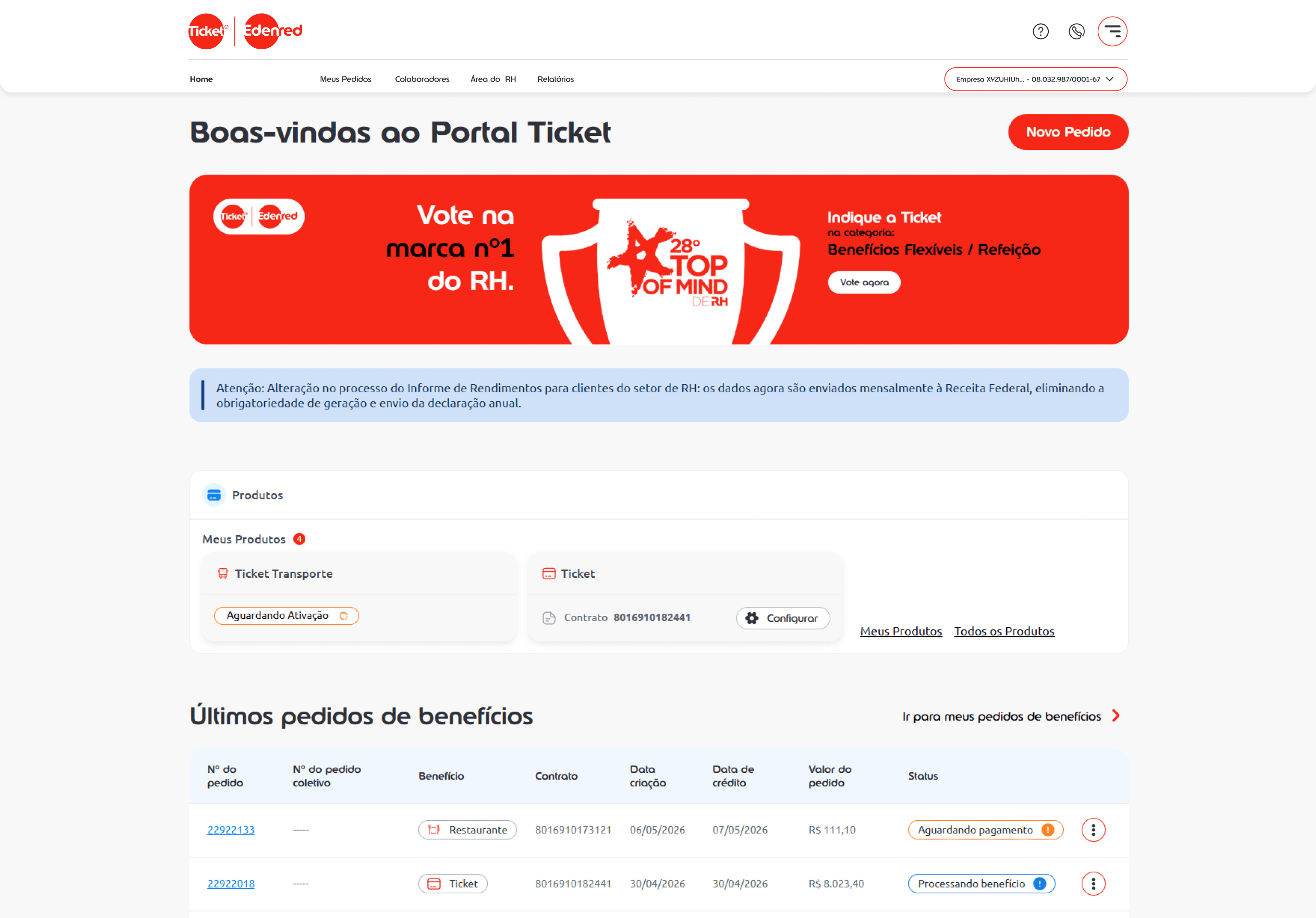
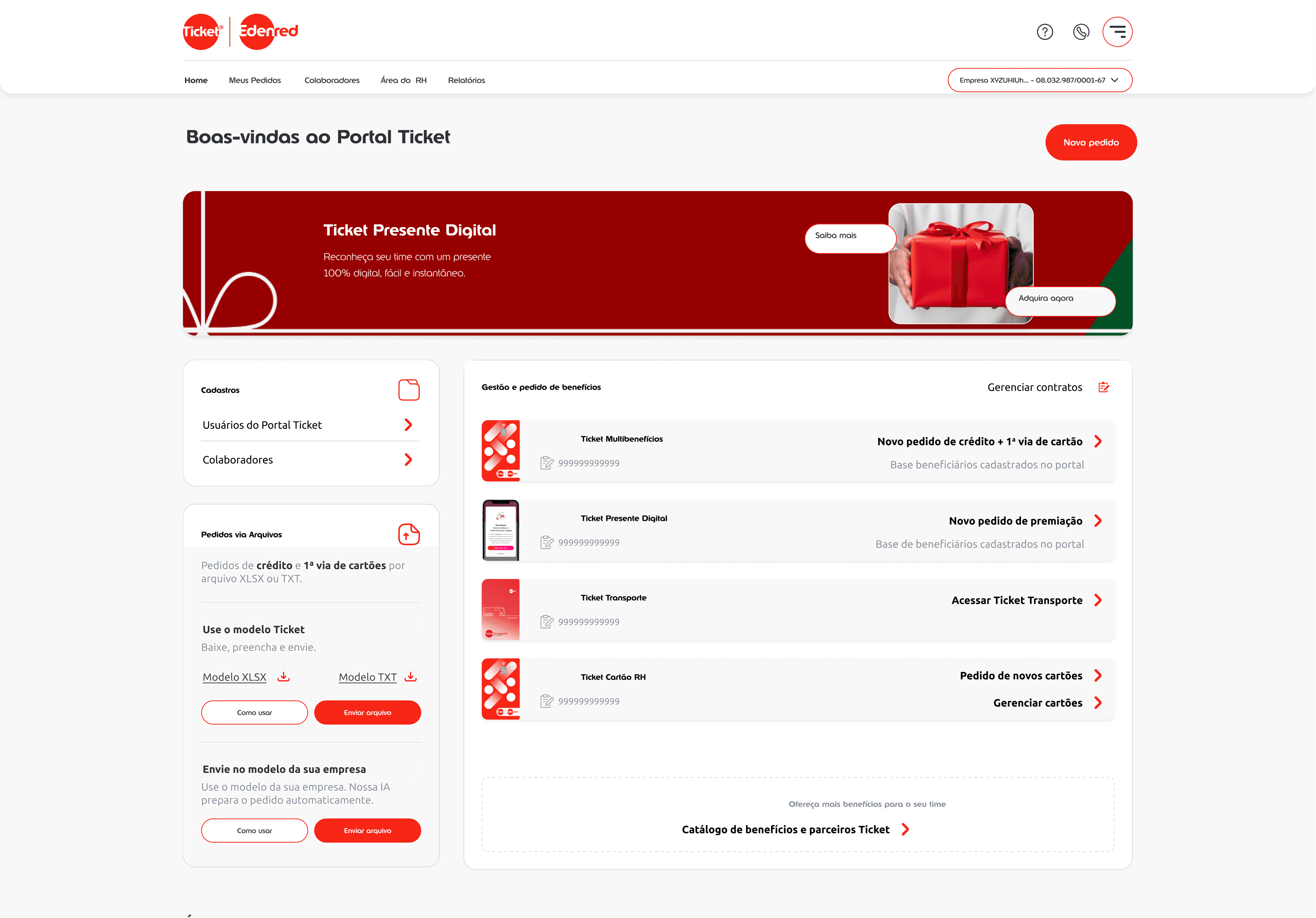
Arraste para os lados para comparar os fluxos
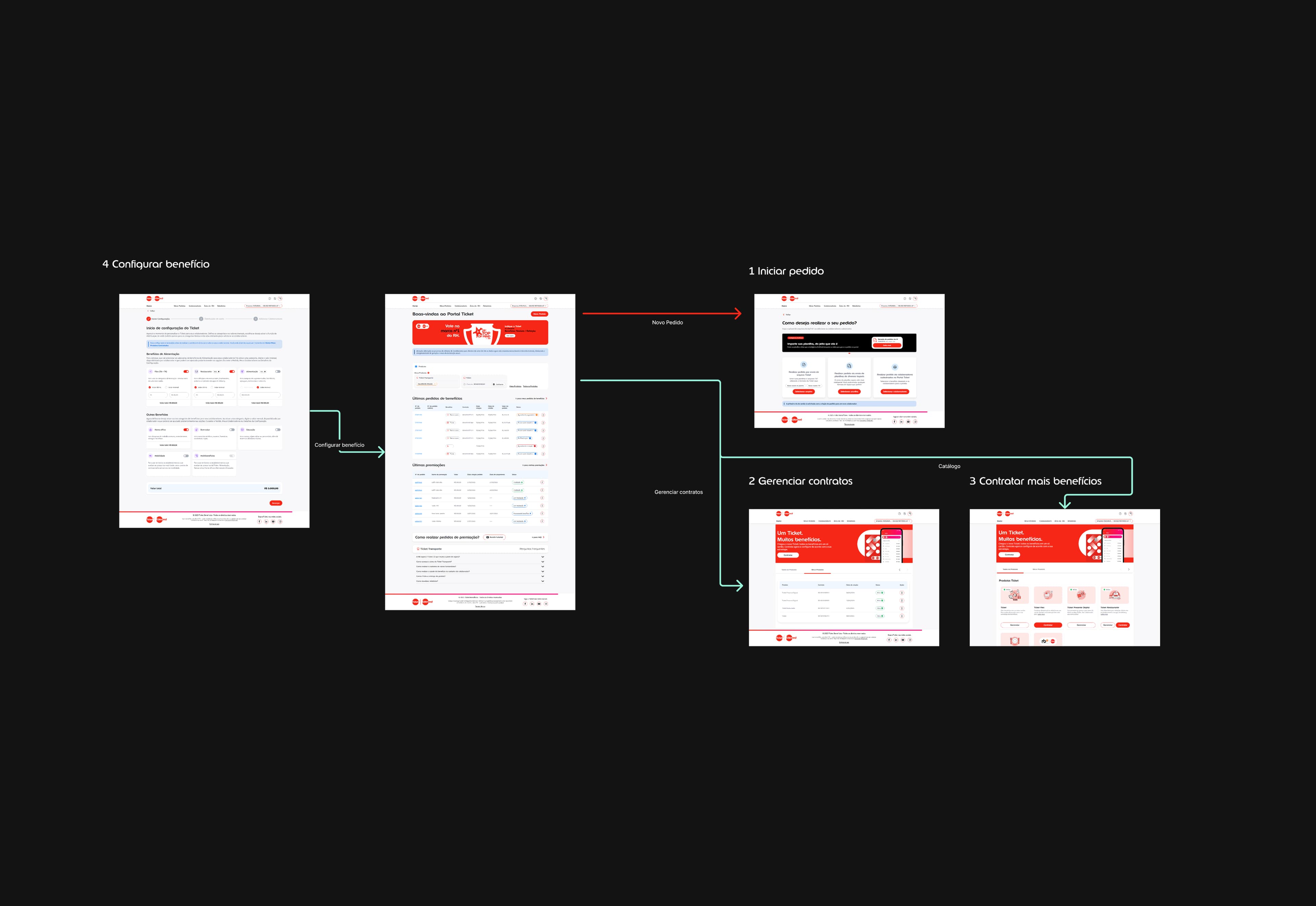
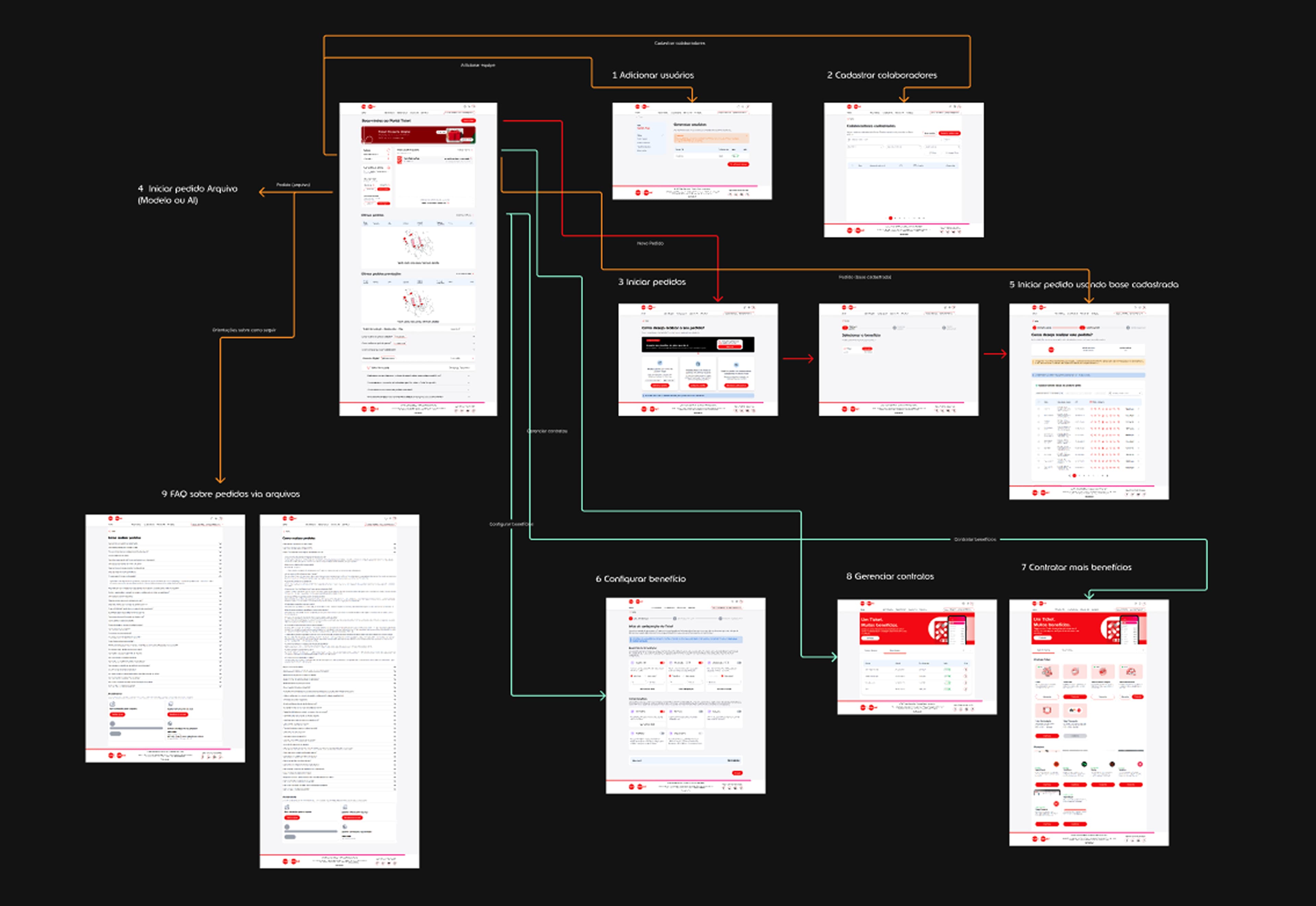
Arraste para os lados para comparar os fluxos
Observed Results
First Access Conversion
Via the new module, compared to 3.9% via the traditional 'New Order' flow.
First Access Time
Time to completion via the new path, compared to ~25 minutes via traditional flow.
Recurring Conversion
Via the new module, compared to 2.9% via traditional access.
Recurring Time
Time to completion via the new path, compared to ~23 minutes via traditional flow.
What This Project Taught Me
B2B Activation Involves Preparation
First value delivery often depends on operational steps and returning to the product. The user experience must support this interval and clarify next steps.
Architecture Directly Drives Growth
Making existing features visible and removing artificial setup prerequisites unlocks user progression. These decisions were core to activation success.
Measurement Requires Interpretation
Comparing profiles and paths enriched experience evaluation. Recognizing user choice was key to understanding the context of the quantitative results.